Autism & ADHD
Assessment Training for Professionals
Learn to confidently assess and diagnose Autism and ADHD with this evidence-based training. Build practical diagnostic skills grounded in neurodiversity-affirming practice.
Self-Paced | MIGDAS-2 & DIVA-5 Training | 17 CPD/CE Hours | Neurodiversity-Affirming

Strengthen Your Autism and ADHD Diagnostic Skills
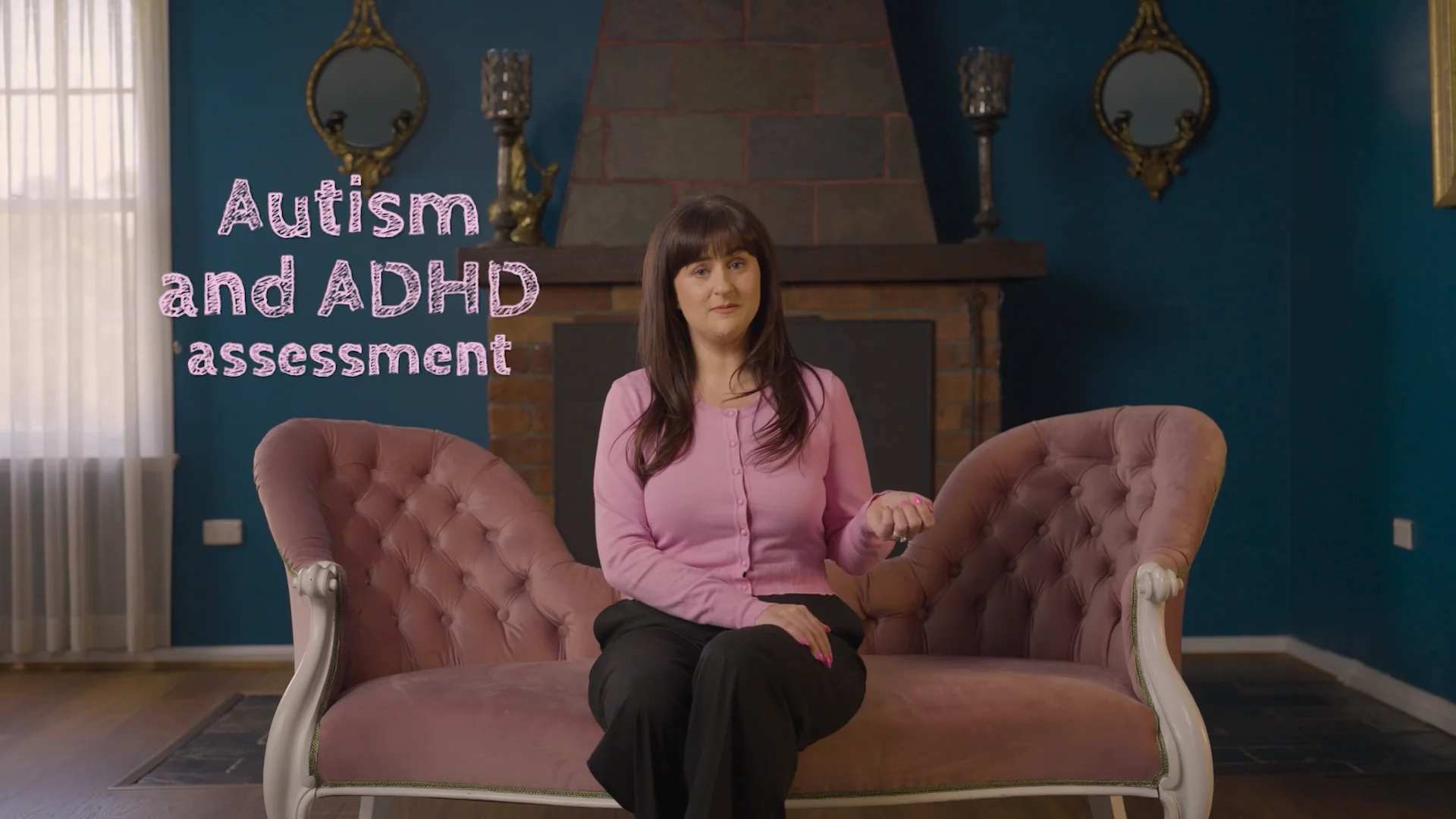
Assessing autism and ADHD in adolescents and adults requires more than symptom checklists or brief screening tools. This training supports clinicians working with complex and high-masking presentations, where diagnostic clarity relies on clinical judgement, structured frameworks, and evidence-based tools.

How This Training Strengthens Your Diagnostic Practice
Understand Subtle and High-Masking Presentations of Autism and ADHD
Autism and ADHD do not always present in obvious or stereotyped ways, particularly in adolescents and adults. This training goes beyond surface-level traits to help you recognise internalised, high-masking, and non-stereotypical presentations that are commonly overlooked in traditional assessments.
A Clear Assessment Process from Intake to Feedback
You will learn a structured, step-by-step approach to autism and ADHD assessment, from intake and information gathering through to formulation, clinical reasoning, and report writing. This training builds clinical judgement alongside structured methods, so tools are used accurately and with confidence.
You will also have access to demonstration videos of me conducting diagnostic interviews, so you can see how the process unfolds in real clinical practice.
Learn How to Use the MIGDAS-2, DIVA-5, and Screening Tools for Autism and ADHD
Develop confidence using key diagnostic tools, including the MIGDAS-2, DIVA-5, and commonly used screening measures for adolescent and adult assessments. While the ADOS is often used in childhood assessments, it is not designed to capture the nuance of adolescent and adult presentations, particularly when traits are subtle or less stereotyped.
You will learn how to administer and interpret tools thoughtfully, and how to integrate them with clinical interviews, collateral information, and observation. The focus is on applying clinical judgement to how each source of data is weighted and brought together meaningfully within the assessment.
Differential Diagnosis and the AuDHD Profile
Autism and ADHD frequently overlap with one another and with other mental health presentations. This training supports you to work through differential diagnosis in complex cases, including AuDHD profiles. You will learn how to differentiate autism and ADHD from conditions such as trauma, anxiety, OCD, bipolar disorder, and related presentations. The focus is on reducing misdiagnosis and supporting more accurate, meaningful outcomes for clients.
Choose the Autism and ADHD Assessment Training That Fits Your Practice
Autism and ADHD assessments can significantly shape how clients understand themselves. This suite of trainings is designed to support accurate, structured, and neurodiversity-affirming assessment practice. Whether you are seeking comprehensive training across both neurotypes or a focused deep dive, you can choose the option that aligns with your clinical work.
All trainings are fully self-paced, accessible via web and app, and include a certificate of completion and CPD hours.
A comprehensive, in-depth training covering both autism and ADHD assessment. This program integrates diagnostic frameworks, structured assessment processes, key tools such as the MIGDAS-2 and DIVA-5, demonstration videos, and report writing guidance to support confident, ethical practice.
Autism Assessment Training
$451.94A focused training on assessing and diagnosing autism in adolescents and adults, including in-depth training in the MIGDAS-2 with demonstration videos. Designed for clinicians seeking deeper confidence in identifying subtle, complex, and high-masking presentations.
ADHD Assessment Training
$451.94A specialised program focused on adolescent and adult ADHD assessment. Covers diagnostic interviews such as the DIVA-5, screening tools, differential diagnosis, and clinical formulation. Supports clinicians to strengthen clinical reasoning and recognise non-stereotyped presentations.
Bundle and Save
Autism & ADHD Assessment Essentials
RRP:Bundle Price: $1,251.78
If you are serious about conducting best-practice autism and ADHD assessments, this bundle offers everything you need in one place. It combines in-depth training with ready-to-use diagnostic resources, so you can move from learning to implementation with clarity, confidence, and a structured system to support you.
Includes:
- Autism & ADHD Diagnostic Assessment Training ($854.78)
- Differential Diagnosis: A Spotlight on Neurodivergence training ($178.83)
- Autism Intake Questionnaire Bundle ($107.30)
- ADHD Intake Questionnaire Bundle ($107.30)
- Autism Diagnostic Report Template ($71.53)
- ADHD Diagnostic Report Template ($71.53)
Access period: 6 months for training components, lifetime access for digital resources. RRP: $1,391.26
Secure the Assessment Essentials Bundle 99%
99%
of past participants of this program rated the trainings as ‘very good’ or ‘excellent'.
of past participants of this program rated the trainings as ‘very good’ or ‘excellent'.
100%
of past participants rated the teaching quality in this training as 'very good' or 'excellent'.
of past participants rated the teaching quality in this training as 'very good' or 'excellent'.
Who Is This Training For?
This training is designed for psychologists and allied health professionals who:
- Are new to autism and ADHD assessment and want the appropriate training to begin conducting assessments confidently and ethically
- Already conduct assessments and want to ensure their practice reflects current, evidence-based methods
- Recognise that the diagnostic landscape has shifted significantly in recent years and want to stay aligned with contemporary guidelines
- Want to strengthen their skills in assessing complex, high-masking, and overlapping presentations of autism and ADHD
- Are involved in the assessment process of autism and ADHD, including (but not limited to) psychologists, psychiatrists, GPs, occupational therapists, speech pathologists, and mental health nurses
Important Note:
Diagnostic guidelines and scope of practice vary by country. This course provides comprehensive training for psychologists and other allied health professionals involved in the diagnostic assessment process of autism and ADHD. If you are unsure whether you are permitted to provide diagnostic assessments, please consult your relevant regulatory body.
In Australia, diagnosis is typically conducted by psychiatrists, paediatricians, and psychologists. In some states, specialist GPs may also diagnose and manage ADHD.
Other professionals commonly involved in the assessment process include occupational therapists, speech pathologists, mental health nurses, social workers, and developmental physicians.