Autism & ADHD
Assessment Training for Psychologists and Clinicians
Learn to assess and diagnose autism and ADHD with confidence, using evidence-based, neurodiversity-affirming training.
Used by psychologists and clinicians in Australia, New Zealand, the United Kingdom, Ireland, the United States, Canada, Switzerland, the UAE, South Africa and across Europe.
Rated ‘very good’ or ‘excellent’ by 99% of surveyed participants.
Self-Paced | MIGDAS-2 & DIVA-5 Training | 17 CPD/CE Hours | Training-only options from A$695

Strengthen Your Autism and ADHD Diagnostic Skills
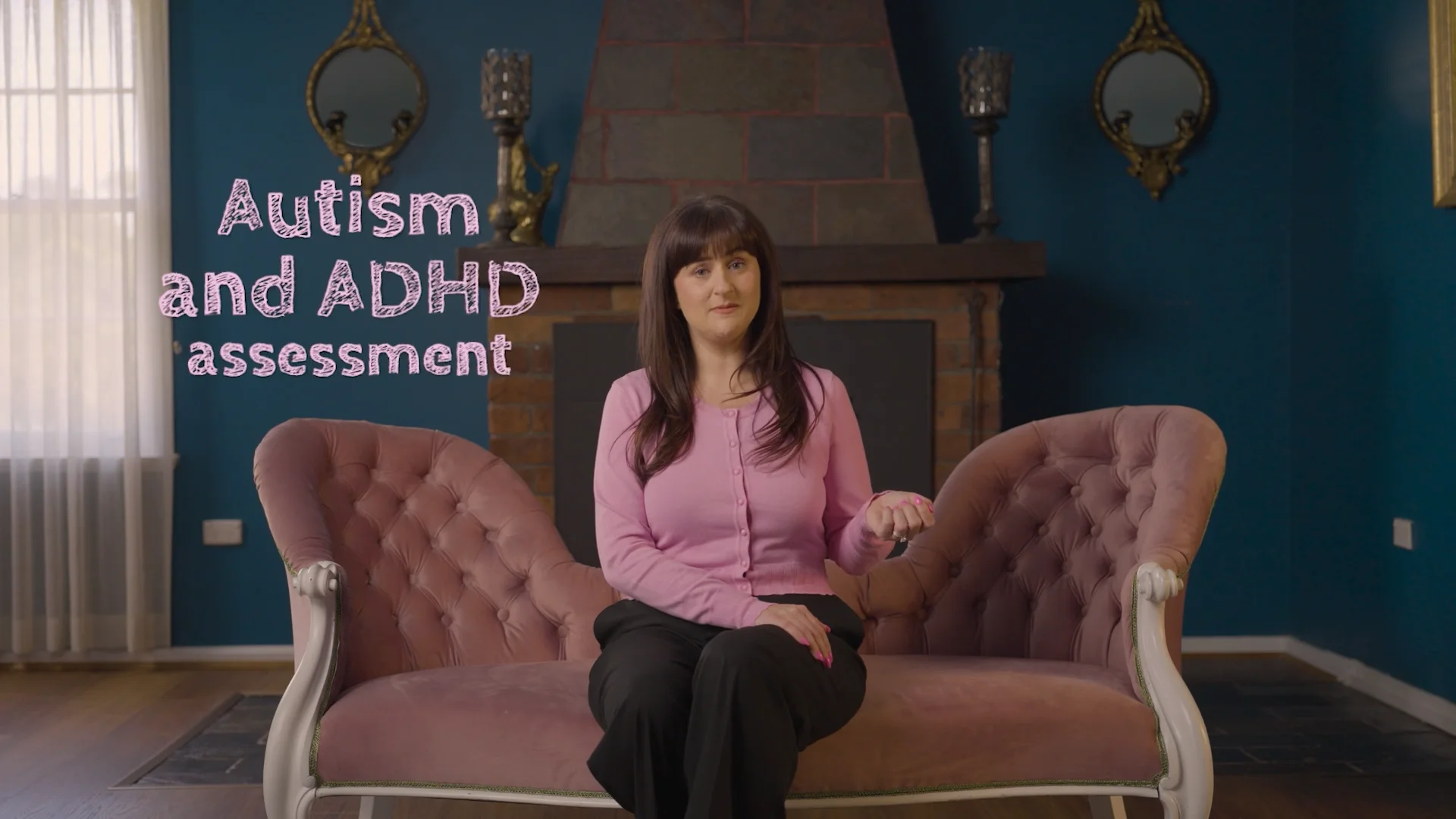
Assessing autism and ADHD in adolescents and adults requires more than symptom checklists or brief screening tools. This training supports clinicians working with complex and high-masking presentations, where diagnostic clarity relies on clinical judgement, structured frameworks, and evidence-based tools.
This training is developed and taught by Amanda Moses, a senior psychologist with over 14 years’ experience in assessment and diagnosis, registered in Australia and the UK, and a PhD candidate at OTARC, La Trobe University. Through Amanda Moses Psychology, she has trained thousands of clinicians internationally.

How This Training Strengthens Your Diagnostic Practice
Understand Subtle and High-Masking Presentations of Autism and ADHD
Autism and ADHD do not always present in obvious or stereotyped ways, particularly in adolescents and adults. This training goes beyond surface-level traits to help you recognise internalised, high-masking, and non-stereotypical presentations that are commonly overlooked in traditional assessments.
A Clear Assessment Process from Intake to Feedback
You will learn a structured, step-by-step approach to autism and ADHD assessment, covering each stage: intake questionnaires, developmental history, collateral information from family or partners, the diagnostic interview, formulation, report writing and the feedback session. Along the way, you build clinical judgement alongside structured methods, so you use each tool accurately and with confidence.
You will also have access to demonstration videos of me conducting diagnostic interviews, so you can see how the process unfolds in real clinical practice.
Learn How to Use the MIGDAS-2, DIVA-5, and Screening Tools for Autism and ADHD
Develop confidence using key diagnostic tools for adolescent and adult assessment, including the MIGDAS-2 for autism, the DIVA-5 for ADHD, and commonly used screening measures. The ADOS-2 is widely used, but its observation-based format can miss traits that are subtle, internalised or masked. This is why this training focuses on conversational, interview-based tools that draw out the person’s own experience.
You will learn how to administer and interpret each tool thoughtfully, and how to integrate the results with clinical interviews, developmental history, collateral information and observation. The focus is on applying clinical judgement to how each source of information is weighed and brought together, so no single tool decides the diagnosis.
Differential Diagnosis and the AuDHD Profile
Autism and ADHD frequently overlap with one another and with other mental health presentations. This training supports you to work through differential diagnosis in complex cases, including AuDHD profiles. You will learn how to differentiate autism and ADHD from conditions such as trauma, anxiety, OCD, bipolar disorder, and related presentations. The focus is on reducing misdiagnosis and supporting more accurate, meaningful outcomes for clients.
Aligned with Recognised Clinical Guidelines
This training is informed by, and consistent with, Australia’s National Guideline for the Assessment and Diagnosis of Autism (Autism CRC) and the Australian Evidence-Based Clinical Practice Guideline for ADHD (AADPA, 2022). Its core principles apply wherever you practise: a diagnosis is built from multiple sources, including developmental history, collateral reports, structured interviews and clinical observation, and no single tool or rating scale decides it.
Choose the Autism and ADHD Assessment Training That Fits Your Practice
Autism and ADHD assessments can significantly shape how clients understand themselves. This suite of trainings is designed to support accurate, structured, and neurodiversity-affirming assessment practice. Whether you are seeking comprehensive training across both neurotypes or a focused deep dive, you can choose the option that aligns with your clinical work.
All trainings are fully self-paced, and include a certificate of completion and CPD hours.
Bundle and Save
Autism & ADHD Assessment Essentials
RRP:Bundle Price: $1,750.00
If you are serious about conducting best-practice autism and ADHD assessments, this bundle offers everything you need in one place. It combines in-depth training with ready-to-use diagnostic resources, so you can move from learning to implementation with clarity, confidence, and a structured system to support you.
Includes:
- Autism & ADHD Diagnostic Assessment Training ($1,195.00)
- Differential Diagnosis: A Spotlight on Neurodivergence training ($250.00)
- Autism Intake Questionnaire Bundle ($150.00)
- ADHD Intake Questionnaire Bundle ($150.00)
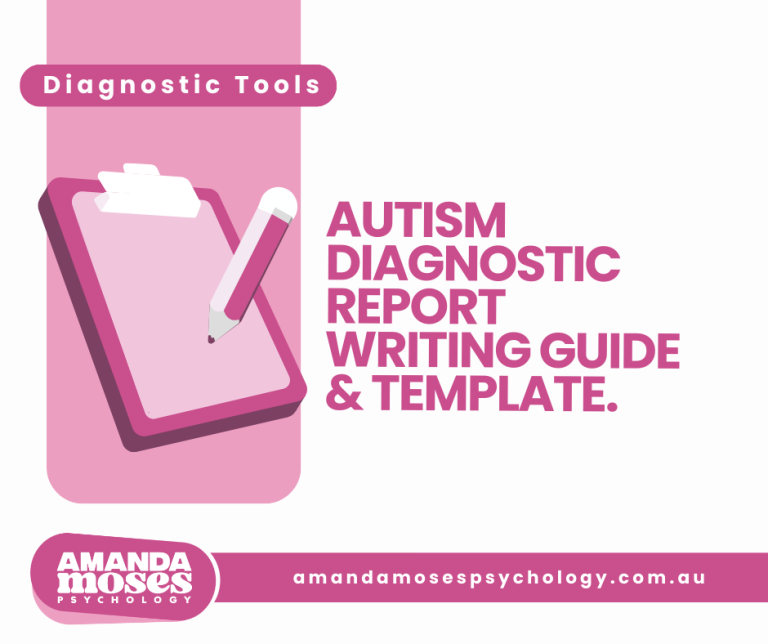
- Autism Diagnostic Report Template ($100.00)
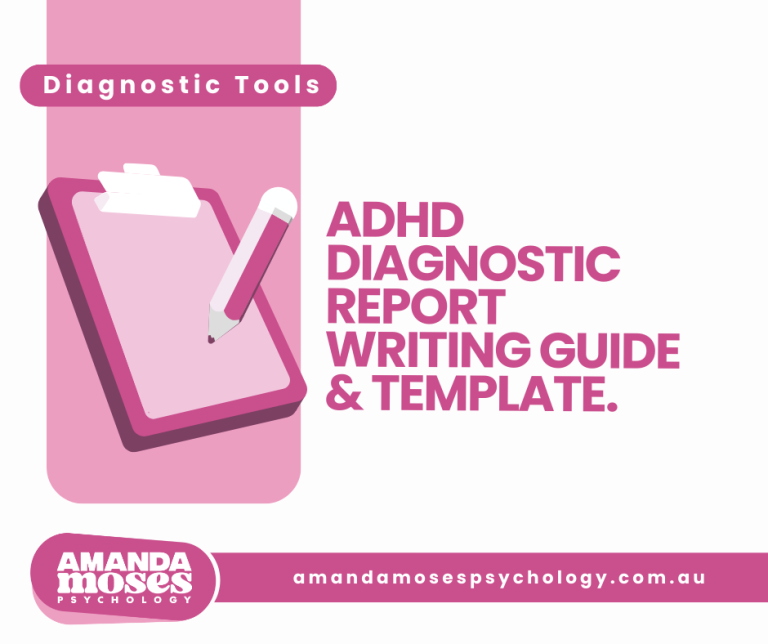
- ADHD Diagnostic Report Template ($100.00)
Access period: 6 months for training components, lifetime access for digital resources. RRP: $1,945.00
Secure the Assessment Essentials Bundle
A comprehensive, in-depth training covering both autism and ADHD assessment. This program integrates diagnostic frameworks, structured assessment processes, key tools such as the MIGDAS-2 and DIVA-5, demonstration videos, and report writing guidance to support confident, ethical practice.
Autism Assessment Training
$695.00A focused training on assessing and diagnosing autism in adolescents and adults, including training in the MIGDAS-2 with demonstration videos. Designed for clinicians seeking deeper confidence in identifying subtle, complex, and high-masking presentations.
ADHD Assessment Training
$695.00A specialised program focused on adolescent and adult ADHD assessment. Covers diagnostic interviews such as the DIVA-5, screening tools, differential diagnosis, and clinical formulation. Supports clinicians to strengthen clinical reasoning and recognise non-stereotyped presentations.
 99%
of surveyed past participants of this program rated the trainings as ‘very good’ or ‘excellent'.
of surveyed past participants of this program rated the trainings as ‘very good’ or ‘excellent'.
100%
of surveyed past participants rated the teaching quality in this training as 'very good' or 'excellent'.
of surveyed past participants rated the teaching quality in this training as 'very good' or 'excellent'.
Who Is This Training For?
This training is designed for psychologists and allied health professionals who:
- Are new to autism and ADHD assessment and want the appropriate training to begin conducting assessments confidently and ethically
- Already conduct assessments and want to ensure their practice reflects current, evidence-based methods
- Recognise that the diagnostic landscape has shifted significantly in recent years and want to stay aligned with contemporary guidelines
- Want to strengthen their skills in assessing complex, high-masking, and overlapping presentations of autism and ADHD
- Are involved in the assessment process of autism and ADHD, including (but not limited to) psychologists, psychiatrists, GPs, occupational therapists, speech pathologists, and mental health nurses
Important Note:
Diagnostic guidelines and scope of practice vary by country. This course provides comprehensive training for psychologists and other allied health professionals involved in the diagnostic assessment process of autism and ADHD. If you are unsure whether you are permitted to provide diagnostic assessments, please consult your relevant regulatory body.
In Australia, diagnosis is typically conducted by psychiatrists, paediatricians, and psychologists. In some states, specialist GPs may also diagnose and manage ADHD.
Other professionals commonly involved in the assessment process include occupational therapists, speech pathologists, mental health nurses, social workers, and developmental physicians.